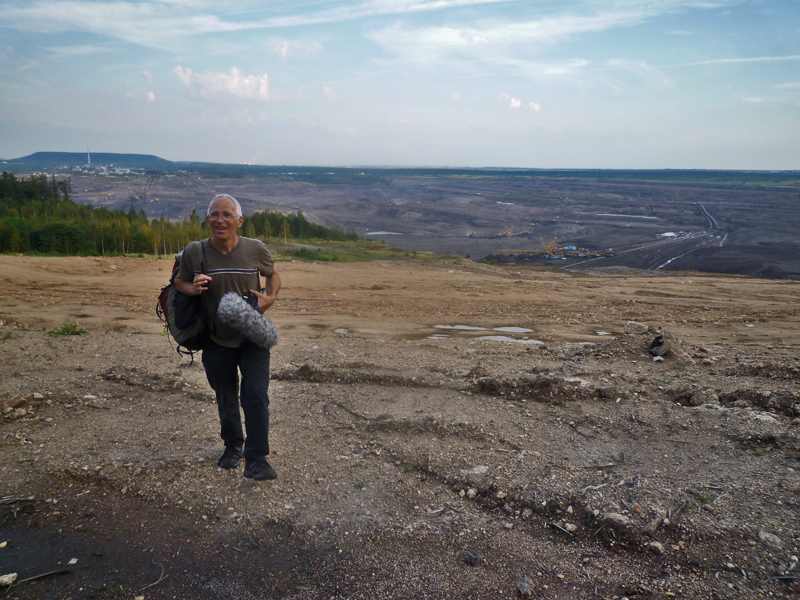
The Art of Resonance: Peter Cusack

The research cluster THE ART OF RESONANCE (KASK & Conservatory Gent) is organising a series of informal listening sessions with international artists and researchers, with an eye (and ear) to cultivating a sonic sensibility and relationality.

Herculeslab — KASK & Conservatorium / School of Arts Gent
2 December 2026 17:00

Peter Cusack is a field recordist, sound artist, and musician with a long interest in the environment. He initiated the Favourite Sounds Project to discover what people find positive about soundscapes where they live and Sounds From Dangerous Places (sonic journalism) to investigate major environmental damage in areas such as the Chernobyl exclusion zone, the Azerbaijan oil fields, brown coal mining in Germany and the Czech Republic and the Bialowieza Forest in Poland. He is currently working on Aral Sea Stories, about the destruction and subsequent partial restoration of the Aral Sea in Kazakhstan – a much-needed positive example in today’s climate change debate. https://sounds-from-dangerous-places.org/
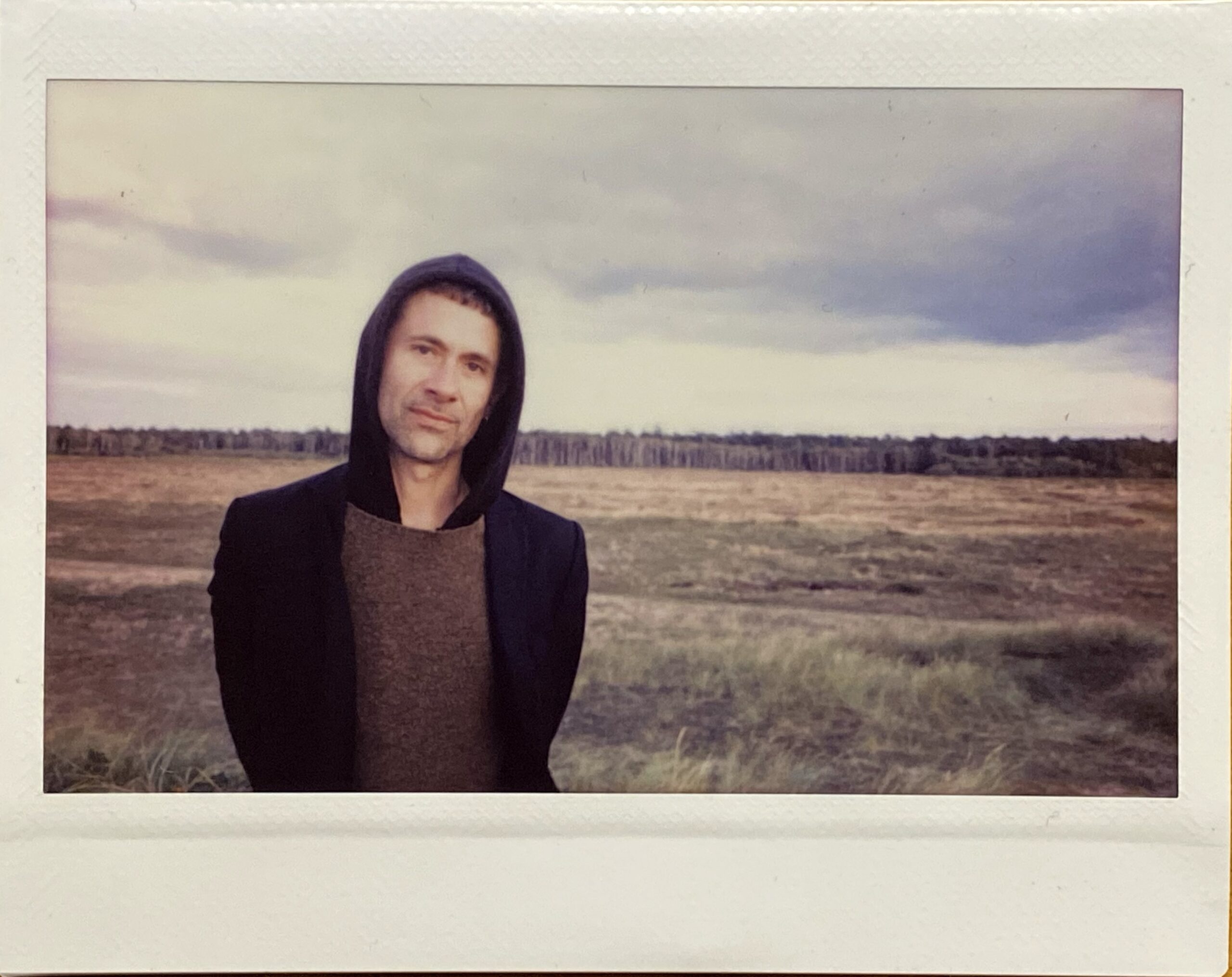
The Art of Resonance: Jacob Kirkegaard

The research cluster THE ART OF RESONANCE (KASK & Conservatory Gent) is organising a series of informal listening sessions with international artists and researchers, with an eye (and ear) to cultivating a sonic sensibility and relationality.

Herculeslab — KASK & Conservatorium / School of Arts Gent
28 October 2026 2026 17:00

The work of Jacob Kirkegaard explores ways to reflect on complex, unnoticed or unapproachable conditions and environments. His works have treated themes such as radioactivity in Chernobyl, melting ice in the Arctic, border walls in global and metaphorical contexts, immersive acoustic explorations into global waste management, and processes related to when a human being dies. Using his recordings of firearms, grenades and tanks his recent work explores the sound of warfare orchestrated for the Royal Lifeguard’s Music Corps. Another recent work unfolds the mechanical elements of agriculture and food production. Since 2006 Kirkegaard has also been extensively researching, recording and creating works using otoacoustic emissions; tones generated from the actual human ear. The core element and method of Jacob Kirkegaard’s work derive from the use of sound recordings of the tangible aspects from its intangible themes.
https://fonik.dk/

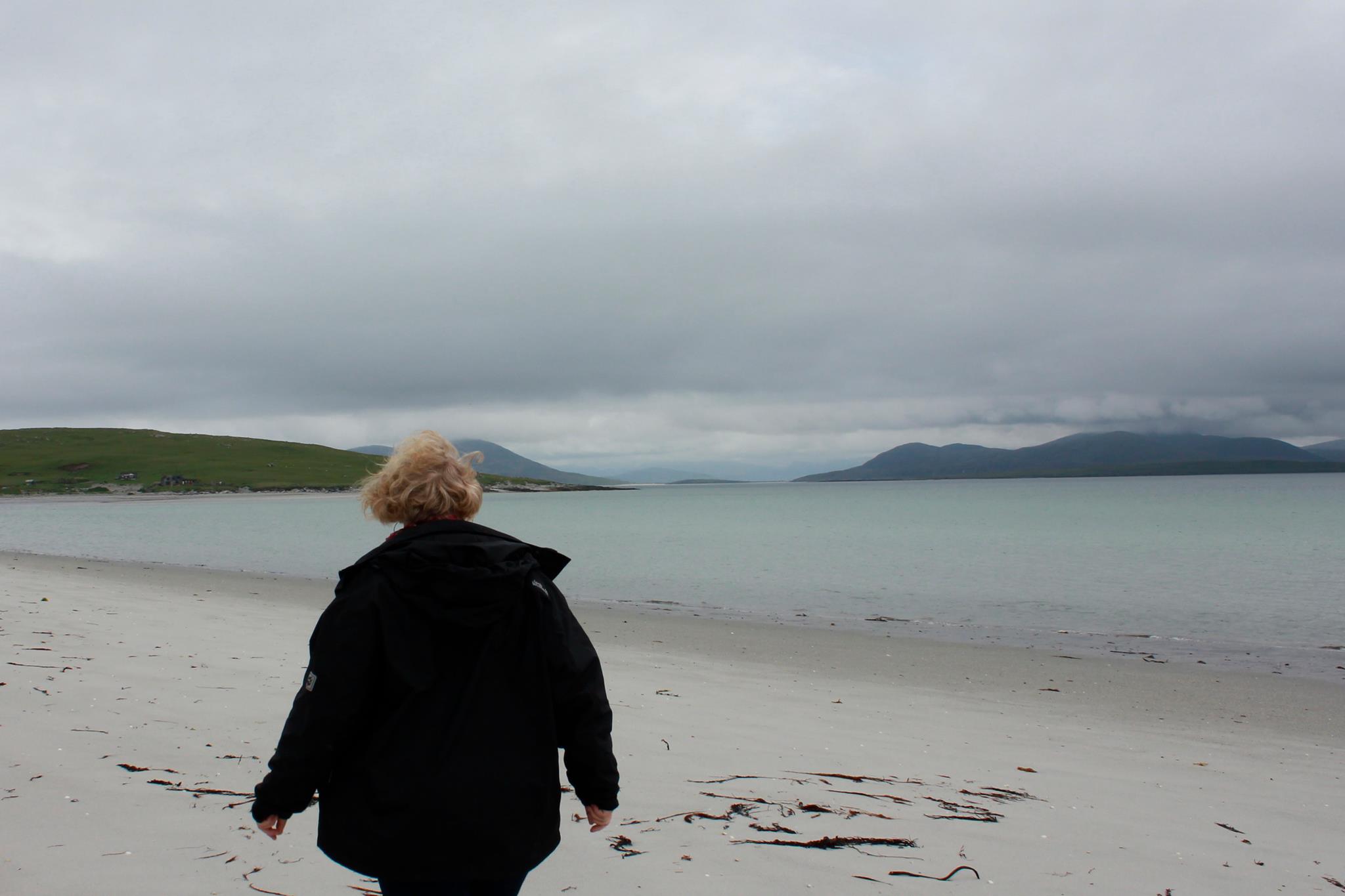
The Art of Resonance: Cathy Lane

The research cluster THE ART OF RESONANCE (KASK & Conservatory Gent) is organising a series of informal listening sessions with international artists and researchers, with an eye (and ear) to cultivating a sonic sensibility and relationality.

Herculeslab — KASK & Conservatorium / School of Arts Gent
Thu 7 October 2026 17:00

Cathy Lane established the department of Sound Arts and Design at London College of Communication (LCC) and previously directed and co-directed, with Angus Carlyle, Creative Research in Sound Arts Practice (CRiSAP). She is interested in how sound relates to the past, our histories, our environment and our collective and individual memories. This informs her current work as a composer, sound artist, lecturer and researcher. Books include In the Field (Uniformbooks, 2013), a collection of interviews with eighteen contemporary sound artists who use field recording in their work and On Listening (2013) a collection of essays about some of the ways in which listening is used in disciplines including anthropology, community activism, bioacoustics, conflict mediation and religious studies, music, ethnomusicology and field recording.

أحمد [Ahmed] – Writing

أحمد [Ahmed] is the quartet of Pat Thomas (piano), Joel Grip (double bass), Antonin Gerbal (drums) and Seymour Wright (alto saxophone). Since 2014, أحمد [Ahmed] have excavated and re-imagined the music of Ahmed Abdul-Malik, in an ever ongoing search for future music.

حمد [Ahmed] – Writing (EXV01) gathers together the [Ahmed] ‘paper’ texts from the last decade: liner-notes; covers of the releases; and writing by the band members – Antonin and Joel have written two fresh ones for this book, Seymour’s have appeared alongside the records, and some of Pat’s come from a time (long) before [Ahmed]. “Together, the ideas-energy in these things gives a sense of what we have done, do, think together (and apart) in living music, how our different ways come together, and how, together, we learn through be-doing [Ahmed]… These texts are woven together (the etymology of text is from weave) through (and into) a rich fabric of enquiry. A collaborative weaving together of difference(s) to make a whole (thing).” (Seymour Wright)

Contributions by Pat Thomas, Seymour Wright, Antonin Gerbal, Joel Grip, Robert Levin, James G. Spady, John Chantler, Edward George, Fred Moten

Edited by [Ahmed]
Series Editors: Stoffel Debuysere, Jef Lambrechts, Will Holder
Initiated by Stoffel Debuysere
Produced and designed by Will Holder [lps’ original design: Maja Larsson]

Published by KASK & Conservatorium (hogent – Howest) and In vitro

Releases on 9 May 2026 with an accompanying live presentation by the quartet at Caf& Oto, London


The Art of Resonance: Maria Chávez

The research cluster THE ART OF RESONANCE (KASK & Conservatory Gent) is organising a series of informal listening sessions with international artists and researchers, with an eye (and ear) to cultivating a sonic sensibility and relationality.

Herculeslab — KASK & Conservatorium / School of Arts Gent
Thu 19 March 2026 17:30, in the context of Research Days

Born in Lima, Peru and based in NYC, Maria Chávez is best known as an abstract turntablist, sound artist and DJ. Coincidence, chance and failures are themes that unite her work across mediums, including improvised performance, sound sculpture, visual art, book objects and multi-channel installation.

During this session, she will introduce her groundbreaking improvisational turntabling practice, centered on connections between material and temporal failure, and experimentation, through the use of broken vinyl records. The session will draw directly from Chávez’s long engagement with Deep Listening, a practice developed by Pauline Oliveros, emphasizing embodied attention, improvisation, and responsiveness to environment and materials. Here, play operates as a method of research, where experimentation and risk-taking generate knowledge through action rather than instruction.